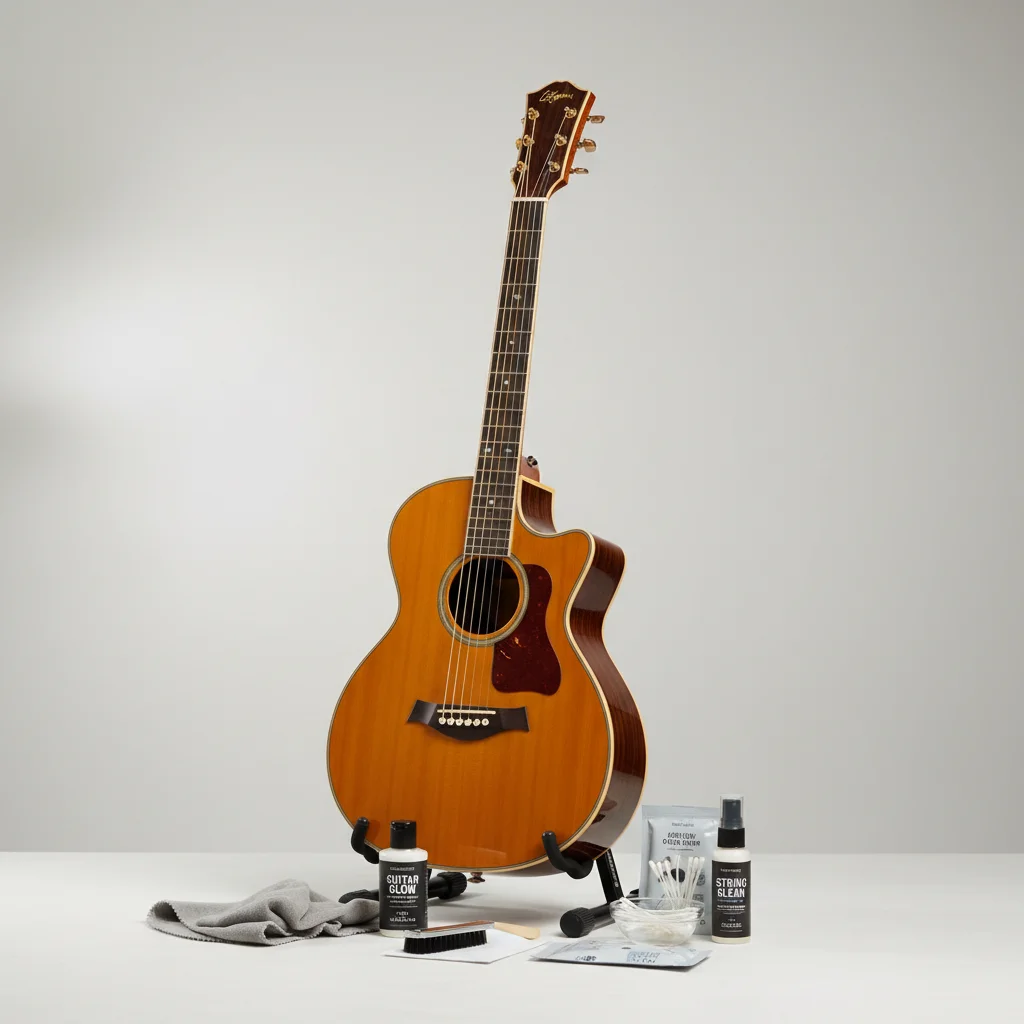
Using common household cleaners for acoustic guitar cleaning is generally not safe due to their harsh chemical compositions. These products can cause irreversible damage, including dulling the finish, stripping protective layers, or corroding metal components. Instead, specialized guitar cleaning products or simple, gentle alternatives like a microfiber cloth and distilled water are recommended to maintain your instrument’s appearance and longevity.
Why Household Cleaners Are a Bad Idea for Your Guitar
Household cleaners, such as glass cleaner, furniture polish, or all-purpose sprays, often contain ammonia, silicone, waxes, or strong solvents. These ingredients are formulated for durable surfaces like glass or countertops, not the sensitive lacquers, varnishes, or natural wood of an acoustic guitar. Ammonia can strip nitrocellulose finishes, leading to a cloudy or sticky residue. Silicone-based polishes can build up over time, making future repairs or refinishing difficult, as they prevent new finishes from adhering properly. Abrasive cleaners can scratch the surface, while acidic or alkaline solutions can react negatively with the wood or metal parts, causing discoloration or corrosion. For acoustic guitar buying guides on this site.
Safe Alternatives for Acoustic Guitar Cleaning
For routine acoustic guitar cleaning, less is often more. A soft, lint-free microfiber cloth, slightly dampened with distilled water, is usually sufficient for removing dust, fingerprints, and light grime from the body and neck. For more stubborn dirt or to add a protective shine, use guitar-specific polishes and cleaners. These products are formulated to be safe for various guitar finishes and often contain UV inhibitors or conditioning agents that benefit the wood. Always apply cleaners to the cloth first, rather than directly to the guitar, and test a small, inconspicuous area before widespread application.
- Use a dry microfiber cloth for daily dusting.
- For smudges, slightly dampen a microfiber cloth with distilled water.
- Apply guitar-specific polish or cleaner to a cloth, then wipe the guitar.
- Clean strings with a dedicated string cleaner after playing.
- Avoid abrasive cloths or paper towels, which can scratch finishes.
Cleaning Different Parts of Your Acoustic Guitar
|
Our Picks for the Best Acoustic Guitar in 2026
As an Amazon Associate I earn from qualifying purchases.
|
||
| Num | Product | Action |
|---|---|---|
| 1 | Yamaha JR1 FG Junior 3/4 Size Acoustic Guitar, Natural |

|
| 2 | Ashthorpe 38-inch Beginner Acoustic Guitar Package (Blue), Basic Starter Kit w/Gig Bag, Strings, Strap, Tuner, Pitch Pipe, Picks |
|
| 3 | Joymusic 38 inch brown beginner acoustic guitar kit,bundle with a strap with picks holder,digital tuner, set strings, capo,cleaning cloth,6 picks,gig bag.(JG-38C,BR) |
|
| 4 | Joymusic 38 inch blueburst beginner acoustic guitar kit,bundle with a strap with picks holder,digital tuner, set strings, capo,cleaning cloth,6 picks,gig bag.(JG-38C,BLS) |
|
| 5 | Pyle Beginner Acoustic Guitar Kit, 3/4 Junior Size All Wood Instrument with Full Accessory Kit, Picks, Shoulder Strap, Carry Case, Cleaning Cloth, Tuner App, 2 Month Lessons, 36” (Natural Gloss) |
|
| 6 | Joymusic 38 inch sunburst beginner acoustic guitar kit,bundle with a strap with picks holder,digital tuner, set strings, capo,cleaning cloth,6 picks,gig bag.(JG-38C,3TS) |
|
| 7 | Fender FA-25N 3/4 Size Nylon String Acoustic Guitar, Beginner Guitar, with 2-Year Warranty, Perfect Beginner Guitar for Kids that is Easy on Fingers, Includes 3 Months of Free Lessons, Natural |
|
| 8 | Ashthorpe 41-inch Beginner Cutaway Acoustic Guitar Package (Sunburst), Full Size Basic Starter Kit w/Gig Bag, Strings, Strap, Tuner, Picks |
|
| 9 | Moukey 38" Acoustic Guitar for Beginners Kids Youth Adult Dreadnought Guitarra Acustica Kit with Chord Poster, Gig Bag, Tuner, Picks, Nylon Strings, Capo, Strap - Black |
|
| 10 | 38inch Wood Acoustic Guitar for Adults, 6 Steel-String Acoustic Guitar With Guitar Bag, Elementary Tutorial of Folk Guitar for Beginners. |
|
Each part of your acoustic guitar requires specific attention. The body and neck, with their delicate finishes, should be cleaned with the methods described above. The fretboard, especially if it’s unfinished (like rosewood or ebony), benefits from occasional conditioning with a lemon oil or fretboard conditioner to prevent drying and cracking. The strings can accumulate oils and dirt, which dull their sound and shorten their lifespan; use a string cleaner after each playing session. Hardware, such as tuners and bridge pins, can be wiped with a dry cloth to remove grime, but avoid harsh chemicals that could corrode the metal.
Long-Term Care and Maintenance Beyond Cleaning
Beyond regular acoustic guitar cleaning, proper long-term care is crucial for your instrument’s health. This includes maintaining optimal humidity levels, especially in dry or excessively humid environments, using a humidifier or dehumidifier as needed. Storing your guitar in its case when not in use protects it from dust, temperature fluctuations, and accidental damage. Regular string changes, professional setups, and inspections can also prevent minor issues from becoming major problems. By combining safe cleaning practices with comprehensive maintenance, you can ensure your acoustic guitar remains in excellent condition for years to come.
Frequently Asked Questions
Is it safe to use household cleaners on an acoustic guitar?
No, it is generally not safe to use common household cleaners on an acoustic guitar. Products like glass cleaner or furniture polish often contain harsh chemicals such as ammonia or silicone that can damage delicate finishes and materials, leading to dulling, stripping, or corrosion.
What are the best safe alternatives for cleaning an acoustic guitar?
The best safe alternatives for cleaning an acoustic guitar include a soft, lint-free microfiber cloth, slightly dampened with distilled water for routine cleaning. For more thorough cleaning or shine, use guitar-specific polishes and cleaners, which are formulated to be safe for various guitar finishes.
How should I clean the fretboard of my acoustic guitar?
For unfinished fretboards like rosewood or ebony, occasional conditioning with a lemon oil or dedicated fretboard conditioner is recommended. This helps prevent the wood from drying out and cracking, maintaining its integrity and playability.
Why should I avoid silicone-based polishes on my guitar?
Silicone-based polishes should be avoided because they can build up on the guitar's finish over time. This buildup makes future repairs or refinishing difficult, as new finishes may not adhere properly to the silicone residue, potentially requiring extensive stripping.
How often should I clean my acoustic guitar strings?
You should clean your acoustic guitar strings with a dedicated string cleaner after each playing session. This practice helps remove oils and dirt that accumulate from your hands, which can dull the sound and significantly shorten the lifespan of your strings.

I used to just wipe my guitar down with whatever was handy, but after reading about how ammonia can strip nitrocellulose finishes, I switched to a dedicated guitar cleaner. My old dreadnought looks so much better now, and I’m not worried about damaging the wood. It’s definitely worth investing in the right products.
I’ve always been a bit hesitant about cleaning my acoustic, especially the fretboard. The tip about using a microfiber cloth and distilled water for general cleaning is super helpful. It’s simple, effective, and I don’t have to worry about harsh chemicals. My guitar feels much cleaner after a gig.
I tried using a specialized guitar polish, but I found it left a bit of a streaky residue on my gloss finish. Maybe I used too much, or it just didn’t agree with my particular guitar. I’ll probably stick to just a damp cloth for most of my cleaning, as I’m really careful about the finish.
This really hit home for me. I almost used some furniture polish on my new Taylor, thinking it would make it shine. Glad I didn’t! The explanation about silicone and waxes being bad for the sensitive lacquers makes total sense. I’m sticking to products specifically designed for guitars from now on.