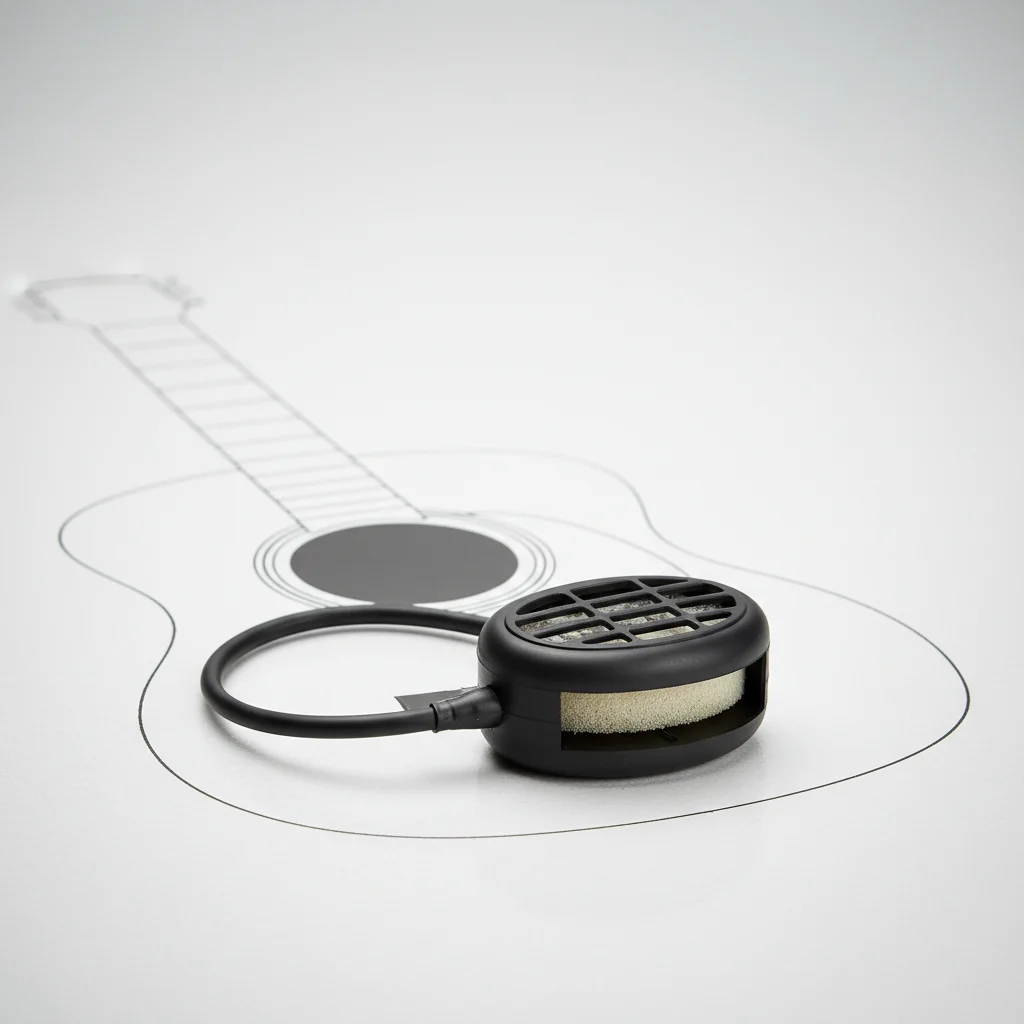
An acoustic guitar humidifier is necessary for most acoustic guitar owners, especially those in climates with fluctuating humidity or dry seasons. Maintaining proper humidity, ideally between 45% and 55% relative humidity, is crucial for the structural integrity and tonal quality of your instrument. Without consistent humidification, your guitar can suffer from issues like cracking, warping, and changes in playability and sound, which can be costly to repair.
Understanding Humidity’s Impact on Acoustic Guitars
Acoustic guitars, primarily made of wood, are highly susceptible to changes in humidity. Wood is hygroscopic, meaning it absorbs and releases moisture from the air. When the air is too dry, the wood in your guitar can shrink, leading to cracks in the soundboard, back, or sides. Conversely, excessive humidity can cause the wood to swell, resulting in a duller tone, a raised action, or even glue joint failures. These issues can significantly diminish your guitar’s lifespan and performance.
The most common problems associated with low humidity include fret sprout, where the fret ends protrude past the edge of the fretboard, and a sunken soundboard. High humidity can lead to a bulging soundboard and a muddy, less resonant tone. Consistent humidity control is key to preventing these problems and preserving your guitar’s playability and sound.
Types of Acoustic Guitar Humidifiers
There are several types of humidifiers available for acoustic guitars, each with its own advantages. Soundhole humidifiers are popular and fit directly into the soundhole, releasing moisture inside the guitar’s body. Case humidifiers, often small sponges or gel packs, are placed inside the guitar case to maintain a stable environment. In-room humidifiers are also an option, especially if you have multiple instruments or want to control the humidity of an entire room. Each type aims to keep the relative humidity within the optimal range, protecting your instrument from environmental stress.
- Soundhole Humidifiers: Directly moisturize the guitar’s interior.
- Case Humidifiers: Create a stable microclimate within the guitar case.
- In-Room Humidifiers: Control humidity for an entire space, suitable for multiple instruments.
- Two-Way Humidification Systems: Both add and remove moisture to maintain a precise level.
- Dampit Humidifiers: Simple, tube-like humidifiers placed in the soundhole.
Choosing the Right Humidifier for Your Guitar
|
Our Picks for the Best Acoustic Guitar in 2026
As an Amazon Associate I earn from qualifying purchases.
|
||
| Num | Product | Action |
|---|---|---|
| 1 | Yamaha JR1 FG Junior 3/4 Size Acoustic Guitar, Natural |

|
| 2 | Ashthorpe 41-inch Beginner Cutaway Acoustic Guitar Package (Sunburst), Full Size Basic Starter Kit w/Gig Bag, Strings, Strap, Tuner, Picks |
|
| 3 | Joymusic 38 inch brown beginner acoustic guitar kit,bundle with a strap with picks holder,digital tuner, set strings, capo,cleaning cloth,6 picks,gig bag.(JG-38C,BR) |
|
| 4 | Ashthorpe 38-inch Beginner Acoustic Guitar Package (Blue), Basic Starter Kit w/Gig Bag, Strings, Strap, Tuner, Pitch Pipe, Picks |
|
| 5 | 38inch Wood Acoustic Guitar for Adults, 6 Steel-String Acoustic Guitar With Guitar Bag, Elementary Tutorial of Folk Guitar for Beginners. |
|
| 6 | Joymusic 38 inch sunburst beginner acoustic guitar kit,bundle with a strap with picks holder,digital tuner, set strings, capo,cleaning cloth,6 picks,gig bag.(JG-38C,3TS) |
|
| 7 | Joymusic 38 inch blueburst beginner acoustic guitar kit,bundle with a strap with picks holder,digital tuner, set strings, capo,cleaning cloth,6 picks,gig bag.(JG-38C,BLS) |
|
| 8 | Fender FA-25N 3/4 Size Nylon String Acoustic Guitar, Beginner Guitar, with 2-Year Warranty, Perfect Beginner Guitar for Kids that is Easy on Fingers, Includes 3 Months of Free Lessons, Natural |
|
| 9 | Moukey 38" Acoustic Guitar for Beginners Kids Youth Adult Dreadnought Guitarra Acustica Kit with Chord Poster, Gig Bag, Tuner, Picks, Nylon Strings, Capo, Strap - Black |
|
| 10 | Pyle Beginner Acoustic Guitar Kit, 3/4 Junior Size All Wood Instrument with Full Accessory Kit, Picks, Shoulder Strap, Carry Case, Cleaning Cloth, Tuner App, 2 Month Lessons, 36” (Natural Gloss) |
|
Selecting the appropriate humidifier depends on your climate, budget, and how often you play your guitar. For most players, a soundhole or case humidifier offers sufficient protection and is relatively inexpensive. If you live in an extremely dry climate or have a valuable instrument, investing in a more advanced two-way humidification system or an in-room humidifier might be a better choice. Always monitor the humidity levels with a hygrometer, which is often integrated into higher-end humidifiers or sold separately.
Maintenance and Best Practices for Humidification
Proper maintenance of your humidifier is essential for its effectiveness and to prevent mold or mildew growth. For sponge-based humidifiers, regularly check and refill them with distilled water to prevent mineral buildup and ensure clean moisture release. Clean your humidifier according to the manufacturer’s instructions, typically every few weeks, to avoid any contaminants. Always ensure the humidifier is not dripping water directly onto your guitar, as this can cause water damage. Consistent monitoring with a hygrometer will help you know when to refill or adjust your humidification strategy.
The Long-Term Benefits of Consistent Humidification
The benefits of consistent humidification extend far beyond preventing immediate damage. A properly humidified guitar will maintain its optimal tone, playability, and structural integrity for years to come. The wood will remain stable, reducing the likelihood of fret buzz, intonation issues, and warping. This not only protects your investment but also ensures that your guitar sounds its best every time you pick it up. Think of humidification as an essential part of your guitar’s preventative care, much like changing strings or regular cleaning.
Frequently Asked Questions
What is the ideal humidity range for an acoustic guitar?
The ideal humidity range for an acoustic guitar is between 45% and 55% relative humidity. Maintaining this range prevents common issues like wood shrinkage or swelling, which can damage the instrument's structure and sound.
What happens if an acoustic guitar is not properly humidified?
If an acoustic guitar is not properly humidified, it can suffer from several issues. Low humidity can cause wood shrinkage, leading to cracks, fret sprout, and a sunken soundboard. High humidity can cause wood swelling, resulting in a duller tone, raised action, and potential glue joint failures.
What are the different types of humidifiers available for guitars?
There are several types of humidifiers for guitars, including soundhole humidifiers that fit inside the body, case humidifiers placed in the guitar case, and in-room humidifiers for controlling an entire space. Two-way humidification systems and Dampit humidifiers are also common options.
How often should a guitar humidifier be refilled or cleaned?
Sponge-based guitar humidifiers should be regularly checked and refilled with distilled water, typically every few days to a week, depending on the climate. Cleaning should occur every few weeks according to manufacturer instructions to prevent mold or mineral buildup.
Can excessive humidity damage an acoustic guitar?
Yes, excessive humidity can damage an acoustic guitar. It can cause the wood to swell, leading to a bulging soundboard, a muddy or less resonant tone, and a raised string action. In severe cases, it can also cause glue joints to fail.

My Guild dreadnought started sounding really dull, and I couldn’t figure out why. I live in a place with really fluctuating humidity throughout the year. After learning about how excessive humidity can cause wood to swell and affect tone, I got a dehumidifier for my music room. It’s brought the vibrancy back to my guitar’s sound, and I’m so relieved.
I’ve always been a bit skeptical about humidifiers, thinking it was overkill. But after experiencing a small crack on the soundboard of my Taylor, I realized the importance of consistent humidification. I picked up a simple in-case humidifier, and it’s easy to maintain. It’s definitely cheaper than repairing a cracked guitar, that’s for sure.
I appreciate the info on how wood is hygroscopic and how it affects the guitar. I got a room humidifier for my guitar space, but it’s a bit of a hassle to keep refilling it every day. I’m seeing some improvement in my guitar’s tone, but I wish there was a more set-it-and-forget-it solution for maintaining that 45-55% range without constant monitoring.
I live in Arizona, and the dry climate here was really taking a toll on my Martin D-28. I was noticing the action getting higher and some fret buzz. After reading about the 45-55% relative humidity range, I finally invested in a soundhole humidifier, and it’s made a huge difference. My guitar feels and sounds so much better now, like it did when it was new.