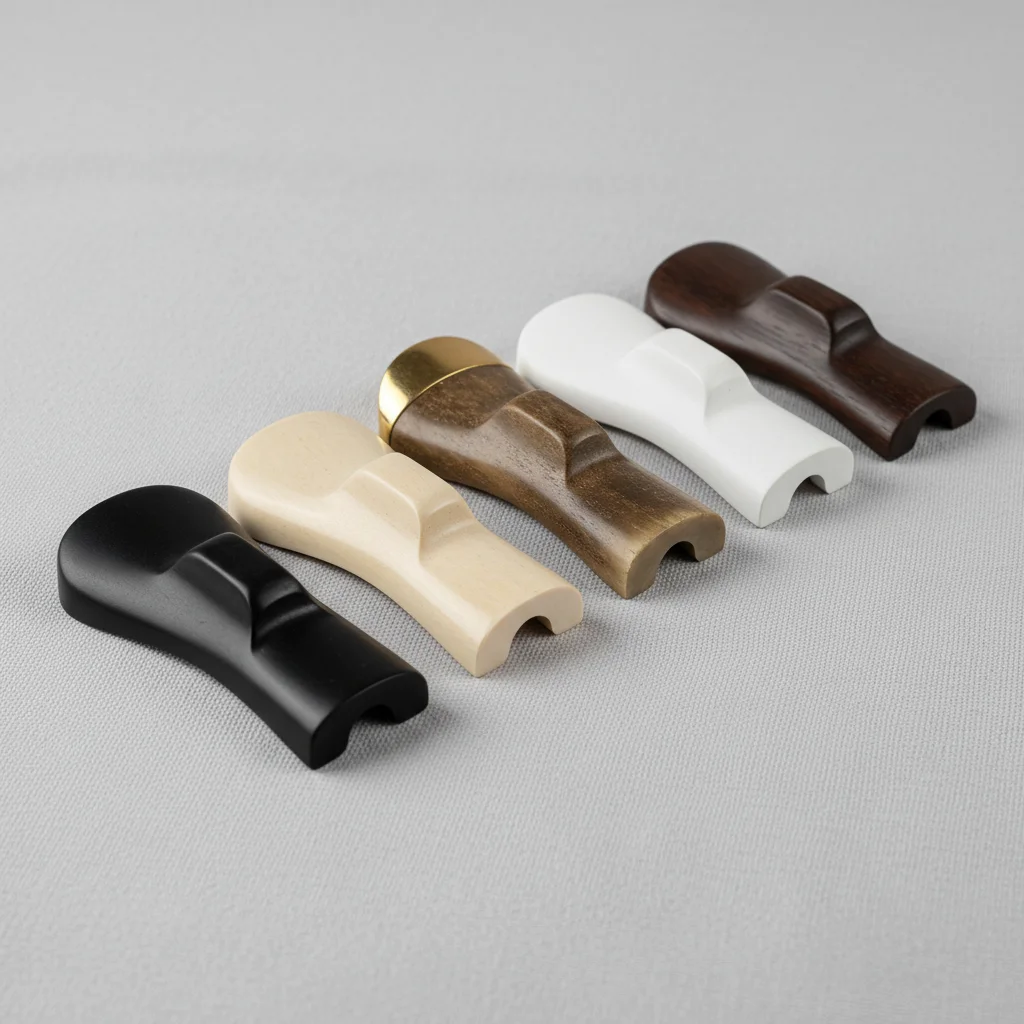
The material of your acoustic guitar saddle significantly impacts its tone, primarily affecting sustain, clarity, and brightness. While often overlooked, the saddle is a crucial point of contact for the strings, transferring vibrations to the guitar’s soundboard. Different materials possess unique density and resonant properties, leading to noticeable sonic variations.
Bone Saddles: The Classic Choice for Balanced Tone
Bone saddles are widely considered the gold standard for acoustic guitars due to their excellent density and natural resonance. They offer a balanced tone with good sustain, clear highs, and well-defined lows. Many high-end guitars come equipped with bone saddles for these very reasons. Both bleached and unbleached bone are common, with unbleached sometimes favored for a slightly more organic look and feel. For explore our acoustic guitar reviews on this site.
Tusq Saddles: Consistent Performance and Brightness
Tusq, a proprietary synthetic material, is engineered to mimic the tonal properties of bone while offering greater consistency. Tusq saddles are known for their bright, articulate tone and excellent sustain. They are often found on modern acoustic guitars and are a popular upgrade for players seeking a consistent, vibrant sound. Tusq is also less prone to cracking than natural bone.
- Enhanced sustain compared to plastic
- Consistent density for reliable tone
- Brighter tonal characteristics
- Resistant to humidity changes
Micarta Saddles: Warmth and Durability
|
Our Picks for the Best Acoustic Guitar in 2026
As an Amazon Associate I earn from qualifying purchases.
|
||
| Num | Product | Action |
|---|---|---|
| 1 | Yamaha JR1 FG Junior 3/4 Size Acoustic Guitar, Natural |

|
| 2 | Joymusic 38 inch blueburst beginner acoustic guitar kit,bundle with a strap with picks holder,digital tuner, set strings, capo,cleaning cloth,6 picks,gig bag.(JG-38C,BLS) |
|
| 3 | Ashthorpe 38-inch Beginner Acoustic Guitar Package (Blue), Basic Starter Kit w/Gig Bag, Strings, Strap, Tuner, Pitch Pipe, Picks |
|
| 4 | Pyle Beginner Acoustic Guitar Kit, 3/4 Junior Size All Wood Instrument with Full Accessory Kit, Picks, Shoulder Strap, Carry Case, Cleaning Cloth, Tuner App, 2 Month Lessons, 36” (Natural Gloss) |
|
| 5 | Joymusic 38 inch brown beginner acoustic guitar kit,bundle with a strap with picks holder,digital tuner, set strings, capo,cleaning cloth,6 picks,gig bag.(JG-38C,BR) |
|
| 6 | Fender FA-25N 3/4 Size Nylon String Acoustic Guitar, Beginner Guitar, with 2-Year Warranty, Perfect Beginner Guitar for Kids that is Easy on Fingers, Includes 3 Months of Free Lessons, Natural |
|
| 7 | Moukey 38" Acoustic Guitar for Beginners Kids Youth Adult Dreadnought Guitarra Acustica Kit with Chord Poster, Gig Bag, Tuner, Picks, Nylon Strings, Capo, Strap - Black |
|
| 8 | 38inch Wood Acoustic Guitar for Adults, 6 Steel-String Acoustic Guitar With Guitar Bag, Elementary Tutorial of Folk Guitar for Beginners. |
|
| 9 | Joymusic 38 inch sunburst beginner acoustic guitar kit,bundle with a strap with picks holder,digital tuner, set strings, capo,cleaning cloth,6 picks,gig bag.(JG-38C,3TS) |
|
| 10 | Ashthorpe 41-inch Beginner Cutaway Acoustic Guitar Package (Sunburst), Full Size Basic Starter Kit w/Gig Bag, Strings, Strap, Tuner, Picks |
|
Micarta is a composite material made from linen and resin, offering a warm and mellow tone. It’s a durable option that can provide a slightly darker sound profile compared to bone or Tusq, making it a good choice for players who prefer less brightness. Micarta saddles are also very stable and resistant to environmental changes.
Brass Saddles: Increased Sustain and Brightness
While less common on traditional acoustic guitars, brass saddles are sometimes used to increase sustain and add a metallic brightness to the tone. The high density of brass allows for efficient transfer of string vibrations, resulting in a very lively and resonant sound. However, some players might find the added brightness to be too much for their preferred acoustic tone.
Plastic Saddles: The Entry-Level Standard
Many entry-level acoustic guitars come with plastic saddles. While functional, plastic is generally the least desirable material for tone. It tends to absorb more vibration, leading to reduced sustain and a less articulate sound compared to other options. Upgrading from a plastic saddle to bone or Tusq is one of the most cost-effective ways to improve an acoustic guitar’s tone.
Graphite Saddles: Self-Lubricating and Stable
Graphite saddles are known for their self-lubricating properties, which can help reduce string breakage and improve tuning stability. Tonally, graphite tends to offer a balanced sound, often described as being between bone and plastic in terms of brightness and sustain. They are particularly popular for guitars with tremolo systems or for players who frequently bend strings.
