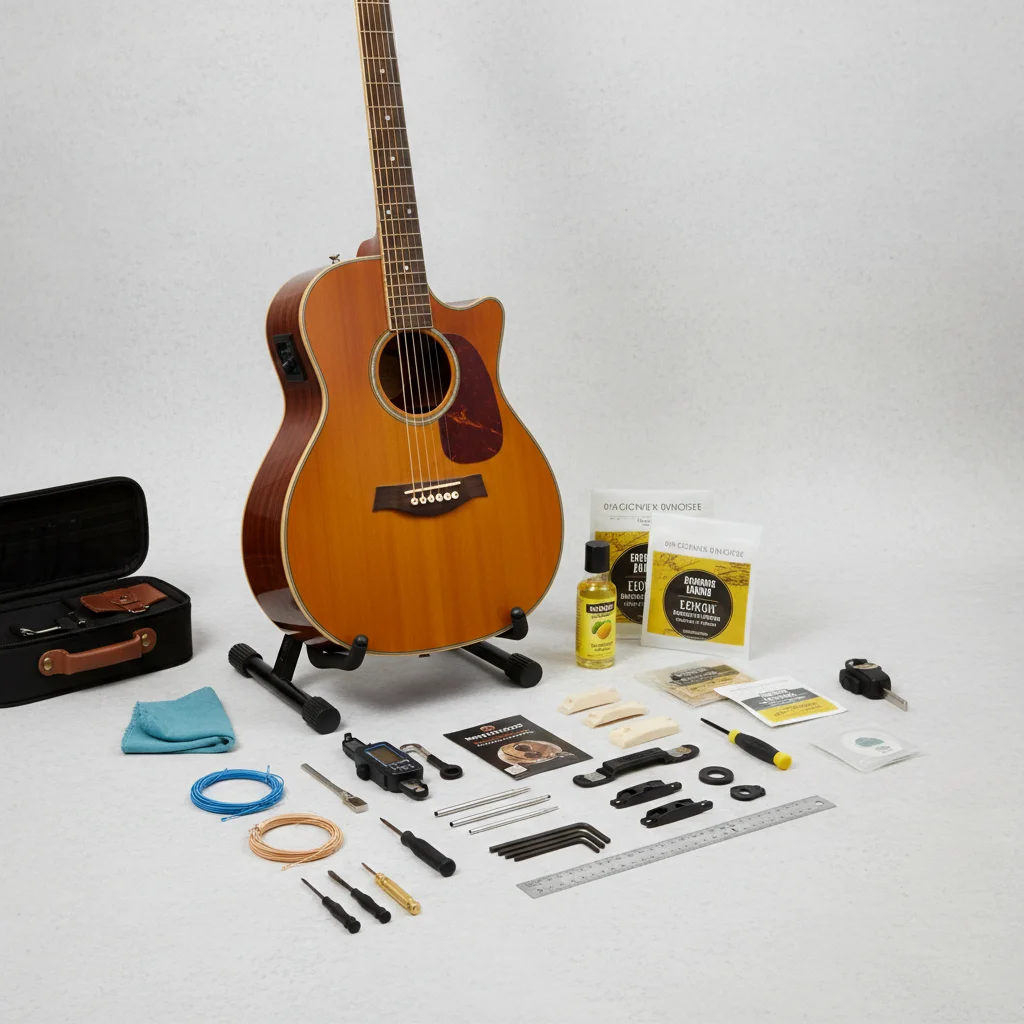
The cost of a professional acoustic guitar setup typically ranges from $50 to $100, depending on the technician’s experience, the specific services included, and your geographic location. A proper setup dramatically improves playability, intonation, and overall enjoyment, making it a worthwhile investment for many guitarists seeking optimal performance from their instrument.
What Does an Acoustic Guitar Setup Include?
A comprehensive acoustic guitar setup involves several key adjustments to optimize the instrument’s performance. This usually begins with a thorough inspection of the guitar’s condition, including the neck, frets, bridge, and nut. The technician will then adjust the truss rod to achieve the correct neck relief, ensuring the strings are at an optimal height without buzzing. Fret leveling and polishing might also be performed to eliminate high spots and improve string bending.
Another crucial aspect is adjusting the string action at both the nut and the saddle. This involves filing the nut slots to the correct depth and sanding or shimming the saddle to achieve the desired string height over the fretboard. Proper action is vital for comfortable playing and preventing fret buzz. Finally, intonation is checked and adjusted, ensuring that notes played up the neck are in tune with open strings.
DIY vs. Professional Setup: Weighing Your Options
For minor adjustments like string changes or basic truss rod tweaks, many guitarists can learn to perform these tasks themselves with the right tools and guidance. There are numerous online tutorials and resources available for DIY enthusiasts. However, more intricate adjustments, such as nut and saddle filing, fret leveling, or addressing persistent buzzing issues, often require specialized tools and a skilled hand.
Attempting complex adjustments without proper knowledge can potentially damage your instrument, leading to more expensive repairs down the line. A professional technician has the experience to diagnose subtle issues and make precise adjustments that can be difficult for an amateur to achieve. Consider your comfort level and the value of your instrument when deciding between a DIY approach and a professional setup.
Factors Influencing Setup Pricing
|
Our Picks for the Best Acoustic Guitar in 2026
As an Amazon Associate I earn from qualifying purchases.
|
||
| Num | Product | Action |
|---|---|---|
| 1 | Joymusic 38 inch sunburst beginner acoustic guitar kit,bundle with a strap with picks holder,digital tuner, set strings, capo,cleaning cloth,6 picks,gig bag.(JG-38C,3TS) |

|
| 2 | Moukey 38" Acoustic Guitar for Beginners Kids Youth Adult Dreadnought Guitarra Acustica Kit with Chord Poster, Gig Bag, Tuner, Picks, Nylon Strings, Capo, Strap - Black |
|
| 3 | Joymusic 38 inch brown beginner acoustic guitar kit,bundle with a strap with picks holder,digital tuner, set strings, capo,cleaning cloth,6 picks,gig bag.(JG-38C,BR) |
|
| 4 | Pyle Beginner Acoustic Guitar Kit, 3/4 Junior Size All Wood Instrument with Full Accessory Kit, Picks, Shoulder Strap, Carry Case, Cleaning Cloth, Tuner App, 2 Month Lessons, 36” (Natural Gloss) |
|
| 5 | Ashthorpe 41-inch Beginner Cutaway Acoustic Guitar Package (Sunburst), Full Size Basic Starter Kit w/Gig Bag, Strings, Strap, Tuner, Picks |
|
| 6 | Fender FA-25N 3/4 Size Nylon String Acoustic Guitar, Beginner Guitar, with 2-Year Warranty, Perfect Beginner Guitar for Kids that is Easy on Fingers, Includes 3 Months of Free Lessons, Natural |
|
| 7 | Joymusic 38 inch blueburst beginner acoustic guitar kit,bundle with a strap with picks holder,digital tuner, set strings, capo,cleaning cloth,6 picks,gig bag.(JG-38C,BLS) |
|
| 8 | 38inch Wood Acoustic Guitar for Adults, 6 Steel-String Acoustic Guitar With Guitar Bag, Elementary Tutorial of Folk Guitar for Beginners. |
|
| 9 | Ashthorpe 38-inch Beginner Acoustic Guitar Package (Blue), Basic Starter Kit w/Gig Bag, Strings, Strap, Tuner, Pitch Pipe, Picks |
|
| 10 | Yamaha JR1 FG Junior 3/4 Size Acoustic Guitar, Natural |
|
Several factors contribute to the final cost of an acoustic guitar setup. The technician’s reputation and experience play a significant role; highly sought-after luthiers may charge more for their expertise. The complexity of the guitar itself can also influence the price; some vintage or custom instruments might require more specialized attention. Additionally, the region where you live can affect pricing, with urban areas often having higher labor costs than rural ones.
Some shops offer different tiers of setups, from basic adjustments to more comprehensive services that include fret dressing or minor repairs. Always inquire about what is included in the quoted price to avoid surprises. For example, a basic setup might only cover neck relief and action, while a premium service could include fret polishing and minor electronics checks.
- Neck relief adjustment for optimal string height.
- Nut and saddle height adjustment for comfortable action.
- Fret inspection and minor dressing to eliminate buzz.
- Intonation check and correction for accurate tuning.
- General cleaning and conditioning of the fretboard.
When Should You Get Your Acoustic Guitar Set Up?
There are several indicators that your acoustic guitar might benefit from a professional setup. If you notice persistent fret buzz, even after adjusting your playing technique, it’s a strong sign. Difficulty playing chords or individual notes due to high action, or conversely, strings that feel too low and buzz, also point to a need for adjustment. Changes in climate can also affect your guitar’s wood, leading to shifts in neck relief and action.
It’s also a good idea to get a setup when you purchase a new guitar, as factory setups are often generic and not tailored to individual playing styles. Similarly, if you change string gauges significantly, a setup will be necessary to compensate for the altered tension. Generally, a setup every one to two years, or whenever you notice playability issues, can keep your instrument in top condition.
Maximizing Your Setup Investment
To get the most out of your professional setup, communicate clearly with your technician about your playing style and any specific issues you’re experiencing. Let them know your preferred string gauge and action height. After the setup, pay attention to how the guitar feels and sounds. If something still doesn’t feel right, don’t hesitate to follow up with the technician.
Regular maintenance, such as proper humidification and cleaning, can help preserve the effects of a good setup for longer. Storing your guitar in a stable environment will prevent the wood from expanding or contracting excessively, which can undo precise adjustments. A well-maintained guitar, coupled with periodic professional setups, will provide years of enjoyable playing.
Frequently Asked Questions
How much does a professional acoustic guitar setup typically cost?
A professional acoustic guitar setup typically costs between $50 and $100. This price can vary based on the technician's experience, the specific services included, and your geographic location.
What specific adjustments are included in a comprehensive guitar setup?
A comprehensive setup includes adjusting the truss rod for neck relief, filing nut slots and sanding the saddle for string action, fret inspection, and intonation correction. These steps ensure optimal playability and accurate tuning.
When is the best time to get an acoustic guitar professionally set up?
It is best to get an acoustic guitar set up when you purchase a new instrument, change string gauges significantly, or notice playability issues like fret buzz or high action. Generally, a setup every one to two years is recommended.
Can I perform acoustic guitar setup adjustments myself at home?
You can perform minor adjustments like string changes or basic truss rod tweaks yourself with proper guidance. However, complex adjustments such as nut and saddle filing or fret leveling often require specialized tools and professional expertise to avoid damaging the instrument.
How can I maximize the benefits of my professional guitar setup?
To maximize your setup investment, communicate your playing style and issues clearly with the technician, and maintain your guitar with proper humidification and cleaning. Regular maintenance helps preserve the precise adjustments made during the setup.

I’ve been playing for years and usually do my own basic adjustments, but I was having trouble with buzzing on my low E string. Decided to get a professional setup, and they really nailed the truss rod adjustment. It cost me about $60, which felt a little high for just one issue, but the guitar does feel much better overall.
I took my guitar in for a setup after hearing how much it could help with string height. While the action is definitely lower, I still have a slight buzz on the G string around the 7th fret. I was hoping the fret leveling would take care of that completely. It’s better, but not perfect for the $90 I spent.
I always thought a setup was just for pros, but after reading about how it improves playability, I decided to take my old dreadnought in. The difference is night and day! My fingers don’t ache as much after long sessions, and the intonation is spot on now. Definitely worth the $75 I paid.
My acoustic always felt a bit stiff, and I struggled with barre chords. After getting a full setup, including nut adjustments, it’s like a brand new instrument! It’s so much easier to play now, and I’m actually enjoying practicing again. For anyone on the fence, it’s a worthwhile investment.